February 17, 2021
Pipe Freeze Basics
Pipe freezes cause countless property losses each year. Understanding how water expands when frozen, the role of insulation, and common misconceptions can help prevent costly damage.
Article by Joshua D. Lange, P.E.
Pipe freezes result in countless water-related property losses each year. While the cause and circumstances surrounding pipe freezes may ostensibly appear obvious, there are numerous misconceptions which raise questions and create confusion. Determining the cause of a pipe freeze can even be quite complicated when dealing with industrial process or HVAC piping and related control systems.
What Happens When Water Freezes in a Pipe?
When referring to a pipe freeze, we are talking about the water within a pipe freezing due to exposure to cold temperatures, often resulting in a deformed or broken pipe. This damage to the pipe is caused by the expansion of the water as it freezes. Water is most dense at 39.2°F (4°C), but then decreases in density as it cools to its freezing point of 32°F (0°C). In other words, as water approaches its freezing point, it expands by about 9%.
How Does Frozen Water Affect a Pipe?
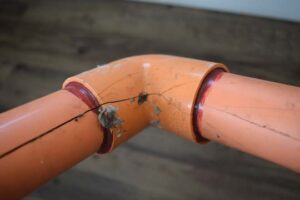
As the temperature of water approaches freezing, ice crystals begin to form. If contained within a rigid pipe, the pressure within the pipe will rise. If the pressure in the pipe exceeds the physical strength of the pipe, the pipe will deform or even burst. Typically, a pipe will burst at areas of stress concentrations, such as pipe bends or elbows.
In some cases, the rise in pressure may cause the pipe to burst while still in the slush stage, before solid ice forms. This typically results in an immediate leak. At other times, solid ice forms in a portion of the pipe before an adjacent portion fails. In such cases, a small amount of water/slush leaks from the pipe, while the solid ice upstream plugs the pipe and prevents the flow of water. In these instances, it is not until days later when the cold weather passes and the ice within the pipe melts that the leak is apparent.
For this reason, it is advised that if a section of pipe is suspected to have been exposed to freezing temperatures, a thorough inspection of the piping system in the suspected area should be conducted immediately.
What Is the Role of Pipe Insulation?
In general, insulation is used to slow the rate that heat transfers from one thing to another. Heat only travels from high temperature to low temperature. Therefore, it is not a matter of the cold getting into a pipe to freeze it, but rather the heat leaving the pipe.
Pipe insulation is most beneficial when a constant or intermittent flow of temperature conditioned water passes through the pipe. However, in the case of a fire sprinkler pipe, there is no flow of water unless there is a fire. There is no source to provide heat energy to the stagnant water within the pipe. If such a pipe is exposed to freezing temperatures, it is only a matter of time before the pipe will freeze, with or without insulation.
What About Building Insulation?
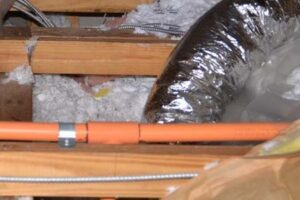
Building insulation can be vital to protecting pipes from freezing. To protect pipes from freezing, building insulation should be placed between the piping and the building exterior. If building insulation is placed between the building interior and the piping, the insulation would prevent the building heat from protecting the pipes from freezing.
In many instances, I see buildings with roof insulation and supply plumbing or fire sprinkler piping in the space between the roof insulation and the lay-in ceiling below. Unfortunately, at some later point in time, insulation was added to the top side of the lay-in ceiling to prevent noise transfer between rooms. This new insulation was placed between the building interior and the piping, thereby increasing the risk of a pipe freeze.
Can Moving Water Freeze?
In the southern states, many say that you should let just a bit of water run from a faucet during the nights of a cold spell to prevent the pipes in the crawl space from freezing. The answer is yes, but not for the reason most people think. A common misconception is that moving water will not freeze. The reason that running water from a faucet prevents freezing is because the water coming from the pipes below ground is relatively warm. As the water flows through the piping above ground, it begins losing its heat to the surrounding cold air. The pipes will be prevented from freezing as long as the flow of water is fast enough to carry the water through the crawl space and into the house before it loses enough heat to freeze.
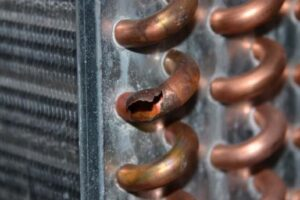
Another illustration of this is the failure of a heating coil I inspected in an air-handling unit at a medical facility. The coil piping was such that when there was no call for heat, the control valves would divert heating system water away from the coil. The residual water in the coil would remain stagnant unless cold air temperatures triggered the freeze protection controls. However, the designer failed to cause the control valve to open to allow heating system water into the coil piping loop. Despite the high flow rate of the water through the coil, the water soon cooled to near freezing and the coil burst.
As discussed above, a proper investigation into a pipe freeze failure must consider the pipes as part of the overall building system. Building codes and industry standards should be examined when evaluating piping system installations. Often, extensive experience and a solid understanding of system fundamentals are the best tools in determining the root cause of pipe freeze failures.
More Articles
August 17, 2020
Circulating Cool Basement Air
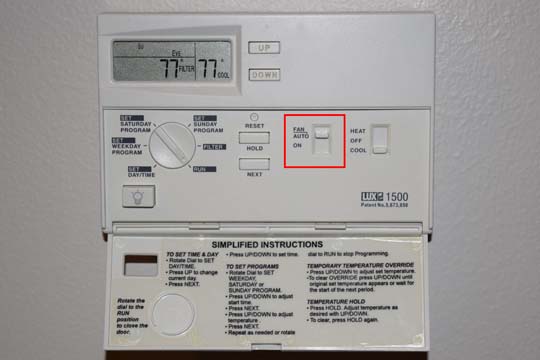
A simple thermostat adjustment can circulate the cool basement air throughout your entire home, helping equalize temperatures across floors during summer heat.
Read article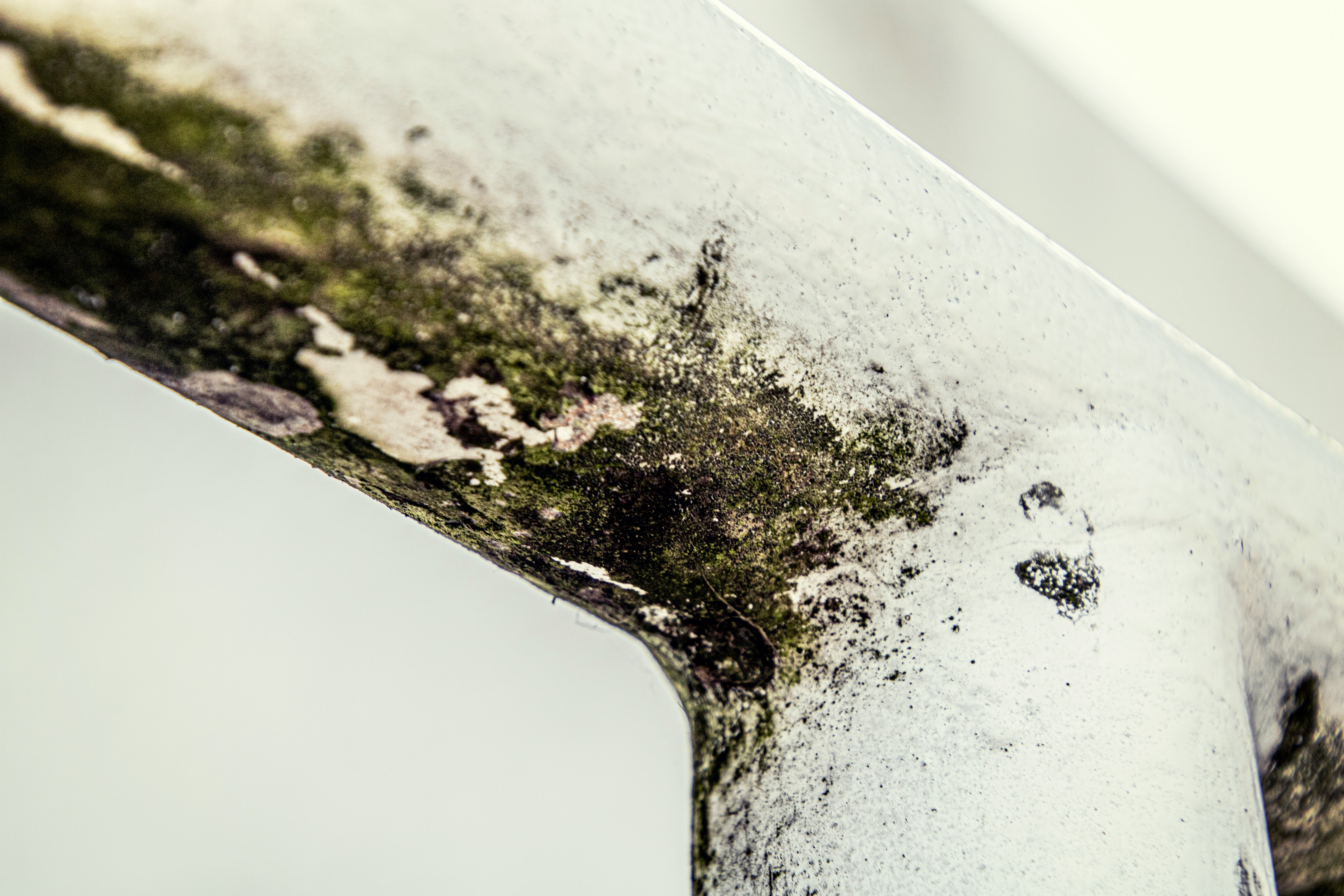
August 27, 2020
HVAC Systems and Moisture Related Damage
Can your HVAC system cause mold or moisture damage? Understanding how air, relative humidity, and condensation interact is key to answering that question.
Read article
September 15, 2020
Bedbug Extermination Gone Bad
A forensic investigation into a bedbug heat treatment that spiraled out of control, revealing how improvised shortcuts led to significant property damage.
Read article